Site icon visionnews24

Nepal’s Prime Minister Balendra Shah expressed gratitude to India and China for their support in flood relief efforts.

India and China were among the earliest nations to provide relief supplies and specialized assistance to flood-stricken Nepal.
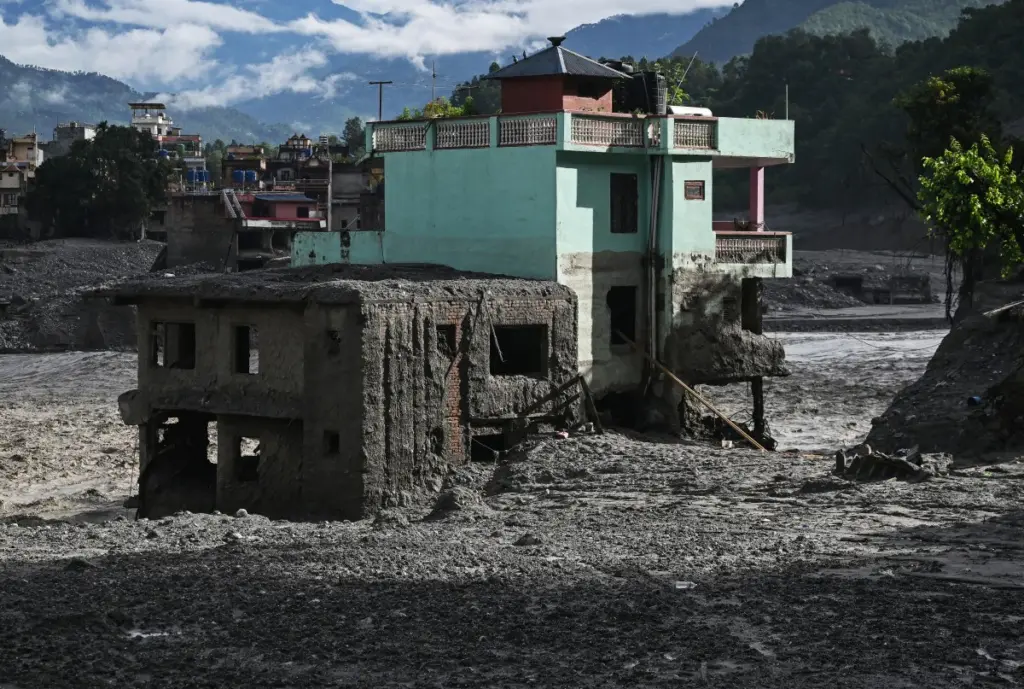
Kathmandu: Nepal’s Prime Minister, Balendra ‘Balen’ Shah, expressed gratitude to India, China, and the United States for their prompt aid following the devastating flash floods in the Bhotkoshi River, which have resulted in over 1,200 fatalities. During an address to the Nepali Parliament on Tuesday, Shah highlighted how emergency response teams and relief supplies from neighboring countries were crucial in addressing the consequences of the disaster, which demolished villages, roads, and power plants across at least three districts one week ago.
Shah’s remarks followed a recent statement by Nepal’s Foreign Minister Shisir Khanal, who announced that the Himalayan nation has opted to change its diplomatic stance in order to seek climate-related ‘compensation’ from major polluters for natural disasters.
Kathmandu has initiated a diplomatic effort to secure international financial assistance, emphasizing, according to Khanal, that support following the disaster should be viewed as a “moral obligation” rather than as “charity.”

India’s Rapid Action
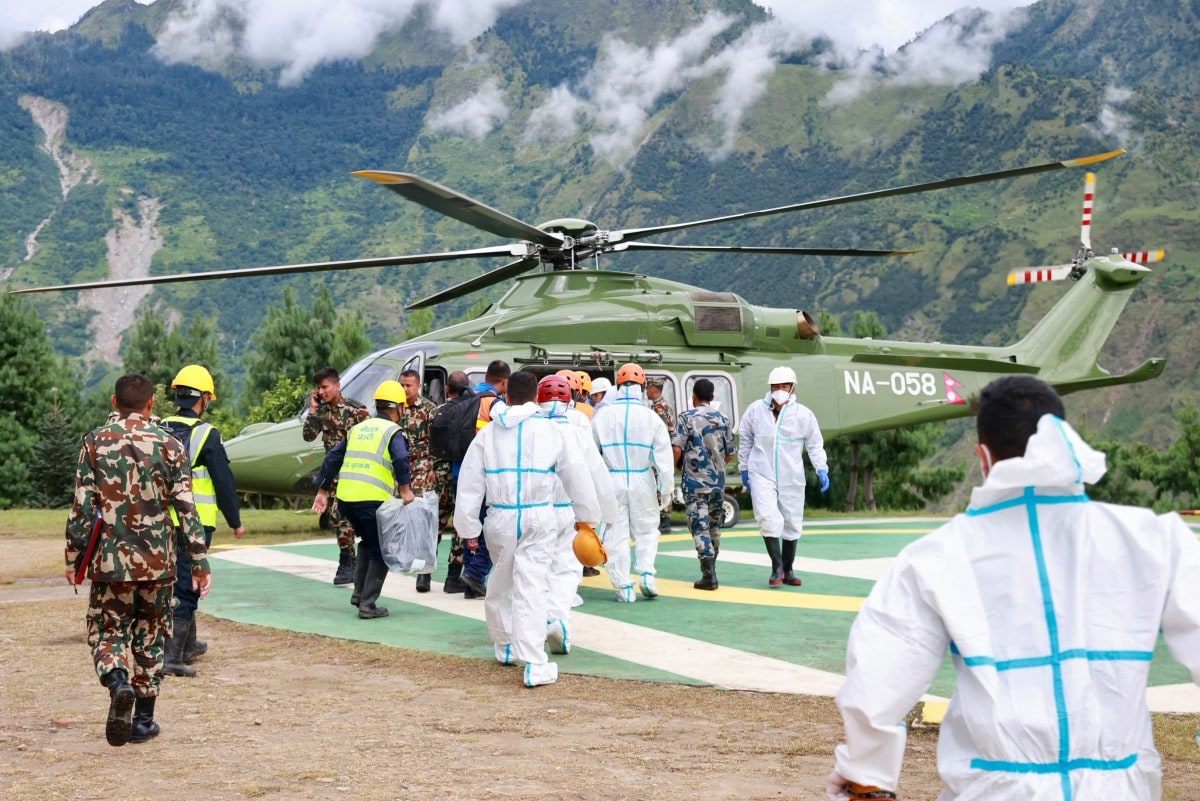
India and China were among the initial countries to deliver both relief supplies and specialized assistance to flood-stricken Nepal. Since August 26, New Delhi has dispatched at least five batches of relief materials, including blankets, sleeping bags, durable tarpaulins, plastic sheeting, and hygiene kits, to the affected areas in Nepal. The Indian Air Force has been actively involved, conducting several sorties to transport these emergency supplies.


In addition to the above, the supplies comprise essential medicines, food packets, solar lamps, water purification tablets, and portable generators. India has also deployed multiple rescue teams equipped with specialized tools to aid Nepali authorities in their relief operations around hydropower tunnels and in forensic tasks related to the identification and management of deceased individuals and those missing.


On the other hand, China remains actively involved in rescue and recovery operations on the Tibetan side of the border. Beijing has fully reopened the sole road leading to the Gyirong border crossing into Nepal a week after parts were swept away by severe flooding. This reopening has enabled heavy machinery access to the primary disaster zone for the first time.

Exit mobile version