


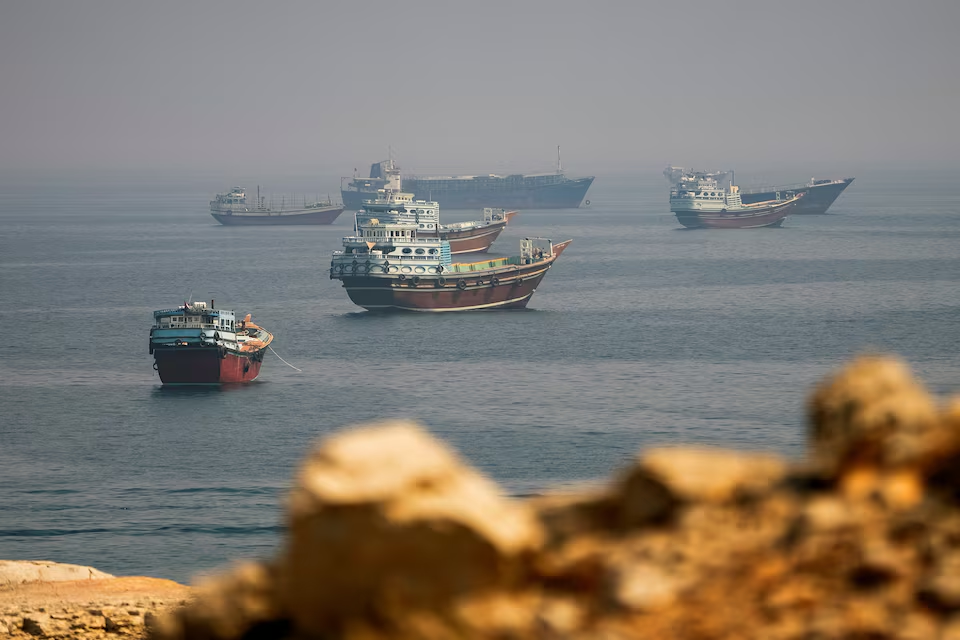


Iran’s parliament speaker warns that U.S. energy assets in the Gulf are vulnerable to retaliation following military strikes near the Strait of Hormuz. Read the full news report on the escalating tensions.
TEHRAN — Iranian officials issued a sharp warning on Monday, cautioning that American energy assets and oil infrastructure in the Gulf are “accessible and exposed” to potential military action following the latest round of maritime clashes near the Strait of Hormuz.
The statement, delivered by Iranian Parliament Speaker Mohammad Bagher Qalibaf, highlights a rapid escalation in rhetoric as hostilities between U.S. naval forces and Tehran continue to jeopardize regional stability and global energy markets.
Rhetoric Escalates After Maritime Strikes
“It’s simple: the oil and gas production chain here is sprawling, accessible, and exposed,” Qalibaf stated in a public message. “American oil and gas companies across these waters and facilities share that exposure. Strike our assets and you get struck.”
The remarks come shortly after U.S. Central Command (CENTCOM) confirmed military strikes targeting Iranian vessels in response to alleged attacks on American ships operating in international waters. Vice Admiral Brad Cooper, commander of CENTCOM, previously warned Tehran against targeting U.S. shipping, cautioning that further aggression would result in higher economic costs, including the destruction of commercial energy transport assets.
Tehran has maintained that its military maneuvers are executed under its right to self-defense. Iranian leadership has cited ongoing economic pressures, naval blockades, and restrictions on maritime trade as catalysts for their retaliatory positioning.
Energy Security Concerns and Market Reactions
The Strait of Hormuz remains one of the world’s most critical energy transit chokepoints, through which a significant portion of global petroleum traffic flows daily. Security analysts note that any direct military targeting of civilian offshore platforms, oil tankers, or processing terminals could severely disrupt supply chains and trigger volatility across energy markets.
Maritime shipping density around the Persian Gulf has already seen fluctuations as commercial vessels adjust navigation routes amid heightened security alerts.
International observers continue to urge maximum restraint from both parties to prevent further escalation that could impact global energy infrastructure and maritime trade safety across the region.